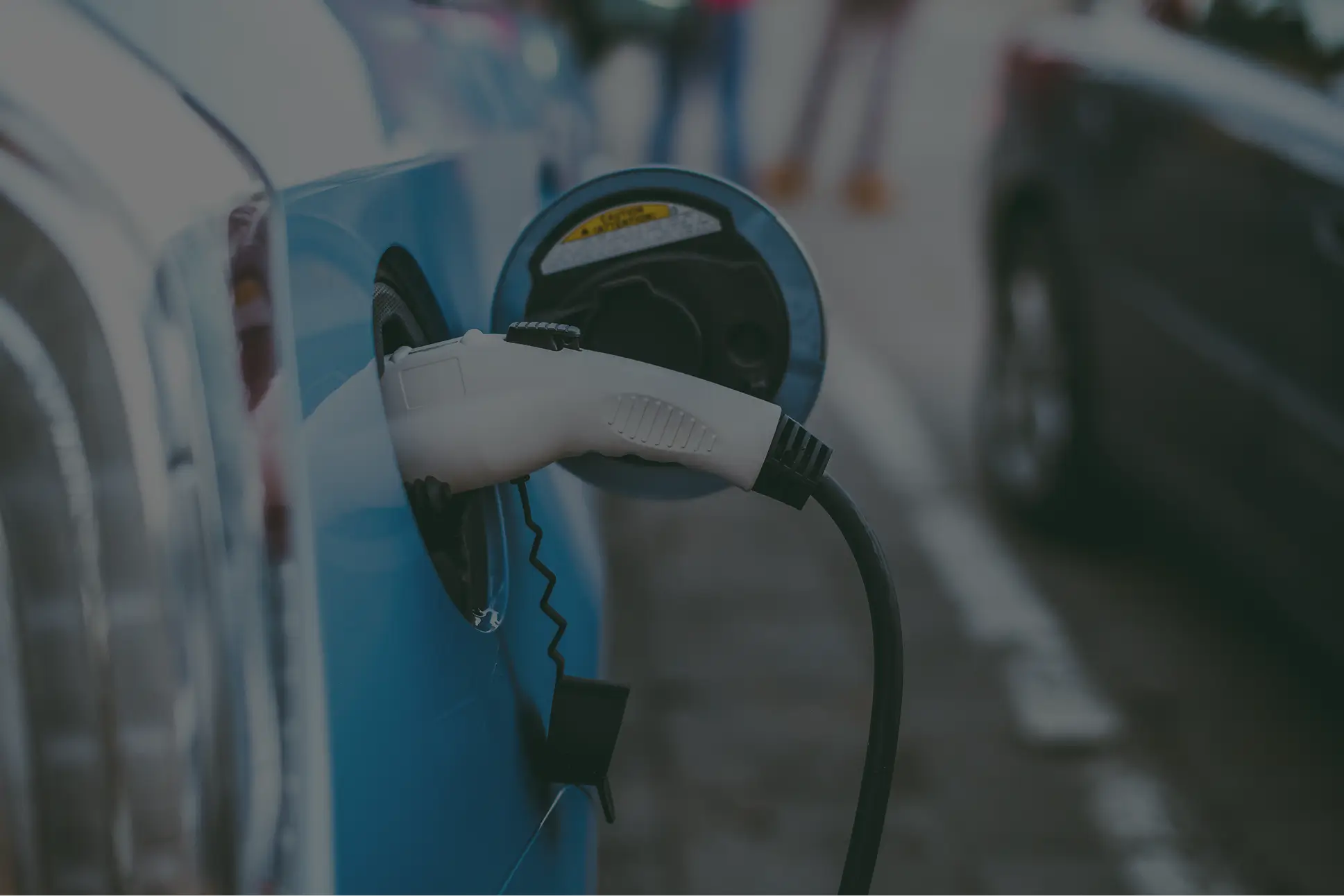
How EV Charging Infrastructure Is Powering the Electric Mobility a?
EV charging infrastructure powers the electric mobility revolution by making electric transport practical, accessible, and scalable for everyday use. Yes, in fact, the impact is even more visible in India, as electric mobility aligns with urban density, rising fuel costs, and national climate priorities.
Government data reports more than 26,000 public EV charging stations operational in India by early 2025. Policy programs such as FAME II and state-level EV policies continue to strengthen charging access across cities, highways, and commercial zones, which allows electric mobility to function reliably for daily travel, shared transport, and logistics operations.
Now, let’s discuss it in detail, so we can thoroughly understand the electric mobility revolution and how EV charging infrastructure’s been powering it.
EV Charging Infrastructure Enables Electric Mobility at Scale
It is worth noting that EV charging infrastructure removes the biggest limitation electric mobility once faced. Yes, it means that electric vehicles no longer depend only on home charging or limited access points. In fact, charging availability across highways, offices, parking areas, and public hubs allows electric mobility to operate at everyday scale.
For example, fast chargers support intercity travel, while workplace and residential chargers sustain daily commuting and fleet operations. So, it must be clear that electric mobility grows reliably only when charging infrastructure expands in parallel, enabling consistent use across cities, corridors, and commercial routes.
So, How Exactly EV Charging Infrastructure Powers the Electric Mobility Revolution?
EV charging infrastructure transforms electric mobility by converting intent into action. Right?
As we said earlier, reliable charging access aligns vehicle capability with daily travel patterns, commercial operations, and long-distance movement. So, EV infrastructure depth determines whether electric transport remains optional or becomes the default choice. Scale, reliability, and placement of chargers decide how confidently people and businesses rely on electric vehicles every day.
Charging Infrastructure Factor | What Happens on Ground | Direct Impact on Electric Mobility | Outcome for Users and Cities |
Charger availability across locations | Chargers installed at homes, offices, highways | Vehicles stay charged where parking occurs | Daily EV use becomes normal |
Fast charging capability | High-power DC chargers cut charging time | Long-distance travel stays possible | Confidence in highway travel grows |
Residential charging access | Chargers in apartments and housing societies | Overnight charging becomes routine | Morning travel starts fully charged |
Workplace charging | Charging during office hours | Commute energy restored passively | Lower dependence on public chargers |
Fleet charging hubs | Central charging for buses and fleets | Predictable energy use planning | Electric fleets scale smoothly |
Smart load management | Automated load balancing systems | Grid stress stays controlled | Infrastructure expansion stays safe |
Renewable energy integration | Solar and clean power used for charging | Charging emissions reduce | Sustainability targets supported |
High network uptime | Remote monitoring and maintenance | Charging failures decline | User trust strengthens |
Standardized connectors | Multi-brand vehicle compatibility | Mixed EV types supported | Adoption accelerates |
Public visibility | Chargers placed in high-traffic areas | Charging awareness increases | EV acceptance improves |
How Can You Benefit From Fast-Growing EV Charging Infrastructure in India?
- Charging access across homes, offices, highways, and public parking supports everyday electric travel without route anxiety
- Predictable charger availability across cities and corridors supports planned commuting and intercity movement
- Electricity-based travel supports stable monthly mobility spending despite fuel price fluctuations
- Shared and apartment charging setups support EV ownership without private garages
- Charging during parked hours replaces repeated fuel station visits
- Structured charging cycles support fleet operations, deliveries, and ride-based services
- Quieter electric movement supports better urban comfort in dense residential zones
- Common charging networks support two-wheelers, cars, buses, and commercial vehicles alike
- Infrastructure expansion also signals long-term readiness for future electric models
- Daily travel aligns directly with lower emissions and national clean mobility goals
Need Guidance on EV Charging for Everyday Use?
Don’t worry, we’re here to guide everyday EV charging decisions with clarity and care. In fact, you can count on us to help plan reliable charging that fits real travel patterns, site conditions, and long-term use. After all, it’s all about making electric mobility simple, dependable, and ready for daily life in India.