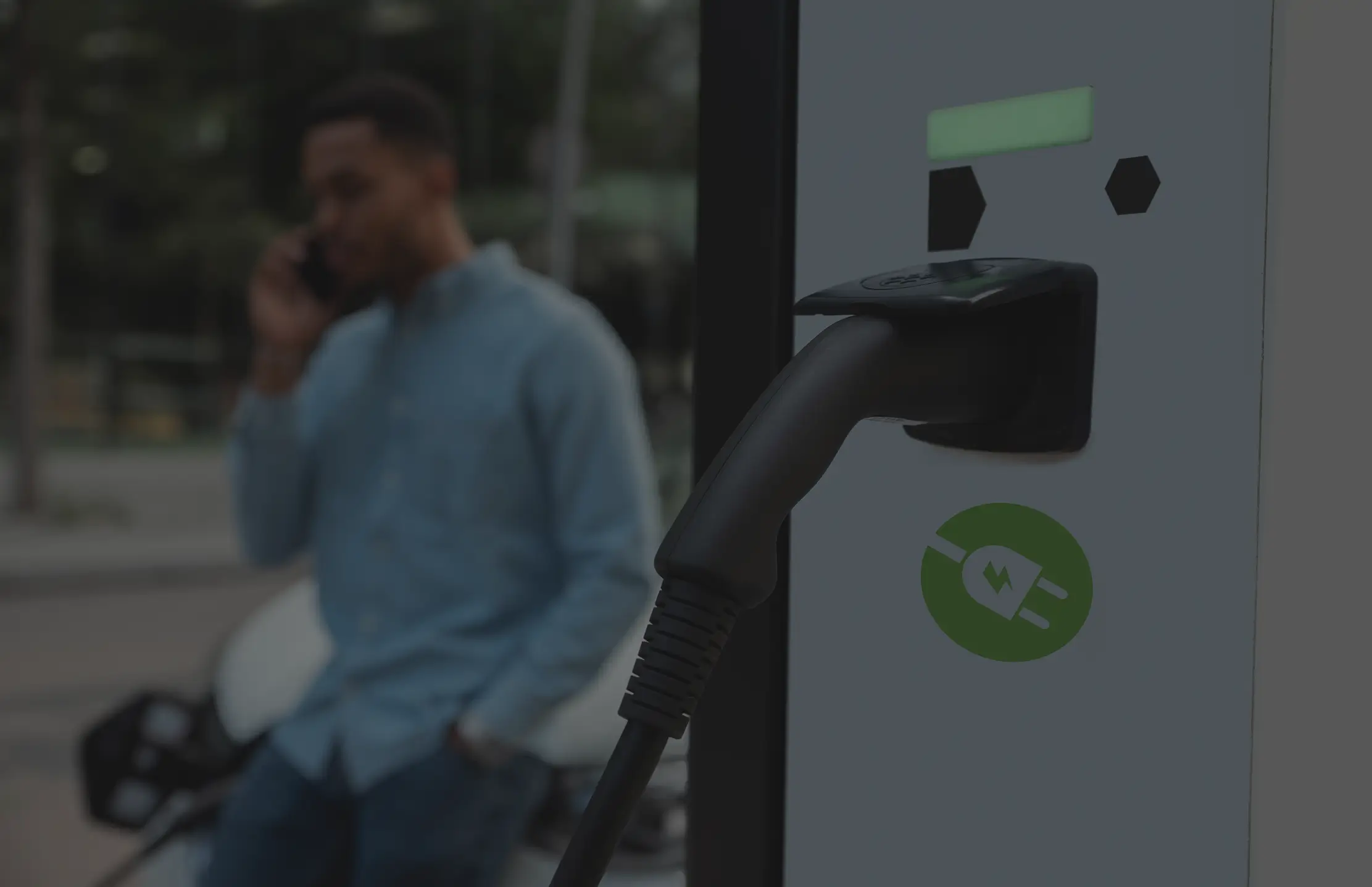
Environmental Benefits of Electric Vehicles Compared to Fuel Cars
It’s a high time for electric vehicles to replace fuel cars because transportation now stands among the largest contributors to air pollution, carbon emissions, and urban health stress.
Notably, petrol and diesel vehicles release exhaust gases directly into living environments, which increases climate pressure and public health risks. Thereby, energy systems are shifting toward cleaner generation, charging infrastructure is expanding rapidly, and electric mobility aligns with long-term environmental responsibility.
Electric vehicles reduce pollution at the point of use, improve energy efficiency, and support decarbonization goals at scale. So, ultimately, the environmental case for electric mobility through EV vehicles is no longer theoretical, but highly practical and preferred.
Here’s a quick look at the benefits of electric vehicles as compared to fuel cars:
Environmental Aspect | Electric Vehicles | Fuel Cars |
Tailpipe emissions | No exhaust emissions during driving, improving air quality in cities | Continuous release of CO₂, NOx, and particulate matter in traffic zones |
Urban air pollution impact | Lower contribution to smog and respiratory pollutants | Major contributor to PM2.5 and NOx pollution in Indian cities |
Energy efficiency | High energy conversion efficiency reduces total energy demand | Low efficiency due to heat loss and mechanical friction |
Dependence on fossil fuels | Can operate on grid electricity with growing renewable share | Fully dependent on imported petrol and diesel |
Long-term emission trajectory | Environmental performance improves as solar and wind capacity grows | Emissions remain locked to fossil fuel combustion |
Zero Tailpipe Emissions During Vehicle Operation
Zero tailpipe emissions mean electric vehicles release no exhaust gases during driving. Well, this is one of the major benefits of electric vehicles. Daily commuting often happens inside dense residential and commercial zones where pollution exposure stays constant for long hours. Electric mobility removes exhaust at the source of travel, which directly improves local air quality and driving conditions.
So, let’s say you have to drive daily from a residential area in Noida to a business district in Gurugram. The distance will be around 35 kilometers one way whereas the travel time would average 60 to 90 minutes due to traffic congestion. It is very likely for you to drive during peak hours when air quality already stays under pressure. Right?
Electric vehicle use changes the impact of that daily drive in a clear way:
- No carbon dioxide, nitrogen oxides, or particulate matter exit from the vehicle during movement
- Air inside traffic corridors stays cleaner for pedestrians, cyclists, and nearby residents
- Pollution exposure during long traffic delays drops at street level
- School zones, housing societies, and office clusters benefit immediately
You must know that electric vehicles help reduce pollution exactly where people live, work, and commute. Exhaust-free driving lowers direct exposure during daily travel without waiting for future technology upgrades.
However, fuel cars behave differently during the same commute:
- Exhaust gases release continuously at low speeds and idle conditions
- Traffic congestion increases pollution concentration around vehicles
- Residential streets and office zones receive direct emission load
- Longer travel time increases total emissions per trip
Electric vehicles eliminate local exhaust during operation. Fuel cars add pollution during every minute of driving. The difference would be most visible during daily, repeat travel across urban routes where exposure compounds day after day.
Significantly Lower Lifetime Greenhouse Gas Emissions
Lifetime greenhouse gas emissions include vehicle manufacturing, energy production, daily driving, and end-of-life processing. Electric vehicles reduce total emissions across this full cycle, especially in countries where the electricity mix continues to improve. It is indeed one of the most important benefits of electric vehicles. In fact, it is worth noting that India’s power grid already adds more renewable capacity each year, which strengthens this advantage over time.
So, let’s say you drive daily from Whitefield to Electronic City in Bengaluru. Distance stays close to 25 kilometers one way. Travel time averages 60 minutes in peak traffic. Annual driving crosses 12,000 to 15,000 kilometers through congested urban corridors.
Electric vehicle ownership changes the long-term emission outcome of that routine:
- Higher manufacturing emissions get offset within early years of driving
- Electricity-based driving emits less carbon per kilometer than petrol or diesel use
- Renewable power share reduces charging-related emissions year after year
- Grid improvements continue lowering lifetime impact without vehicle replacement
Notably, electric vehicles improve their climate performance automatically as cleaner electricity enters the grid. Each year of ownership reduces average emissions without changing driving behavior.
On the other hand, fuel cars follow a fixed emissions path:
- Carbon emissions stay locked to fuel combustion for entire lifespan
- Engine efficiency gains stay limited by combustion physics
- Fuel quality improvements offer marginal emission reduction
- Lifetime emissions rise directly with distance driven
Electric vehicles deliver lower greenhouse gas emissions across their lifetime. Fuel cars generate emissions with every kilometer driven and cannot improve without replacing the vehicle itself. Daily urban travel magnifies this gap as years of usage accumulate.
Higher Energy Efficiency Than Fuel-Based Vehicles
Energy efficiency defines how much of the input energy actually moves the vehicle forward. Electric vehicles convert a far greater share of energy into motion because electric motors operate with minimal mechanical loss. Fuel-based engines waste a large portion of energy as heat during combustion and idling.
So, let’s say you drive daily from a residential area in Pune to Hinjewadi IT Park. The distance stays around 20 kilometers one way. Travel time ranges between 45 to 75 minutes due to signals and congestion. Stop-and-go driving dominates most of the route.
Electric vehicle use changes how energy is consumed during that commute:
- More than 75 percent of electrical energy reaches the wheels
- No energy loss during idling at traffic signals
- Regenerative braking recovers energy during slowdowns
- Consistent efficiency stays intact at low city speeds
It is worth noting that electric vehicles use less energy per kilometer even in heavy traffic. Daily urban driving favors electric powertrains because efficiency stays stable regardless of congestion.
However, fuel cars behave differently on the same route:
- Only about 20 to 30 percent of fuel energy moves the vehicle
- Idling burns fuel without producing movement
- Frequent braking wastes energy as heat
- Traffic delays increase fuel consumption sharply
Electric vehicles convert energy directly into motion. Fuel cars lose energy during combustion, idling, and braking. Daily city travel amplifies this efficiency gap, making electric mobility far cleaner and more economical in real driving conditions.
Environmental Performance Improves as Electricity Grids Decarbonize
Environmental impact of an electric vehicle depends on how electricity gets produced. Power grids evolve over time. Renewable energy capacity continues to increase across India through solar, wind, and hydro expansion. Each improvement in grid cleanliness directly improves electric vehicle performance without changing the vehicle itself.
Let’s say you drive daily from a residential area in Noida to Connaught Place. Suppose that the distance is close to 18 kilometers one way while the travel time ranges between 40 to 70 minutes depending on traffic. You’d surely charge your EV overnight at home using grid electricity. So…
Electric vehicle impact improves year after year on the same route:
- Cleaner grid electricity lowers emissions per kilometer automatically
- Solar and wind additions reduce coal dependence gradually
- Home rooftop solar further reduces charging emissions
- Future grid upgrades benefit existing electric vehicles
You must know that electric vehicles gain environmental value as grids improve. Each new renewable project reduces lifetime emissions of every electric vehicle already on the road.
Unfortunately, fuel cars do not benefit from grid improvements:
- Petrol and diesel emissions stay fixed per kilometer
- Engine efficiency gains remain limited by combustion physics
- Cleaner fuels offer marginal reductions only
- Emissions remain locked for the full vehicle lifespan
Electric vehicles align with long-term energy transition. Fuel cars remain tied to fossil combustion regardless of grid progress. Grid decarbonization strengthens the environmental advantage of electric mobility with every passing year.
Ready to Power Your EV Journey With the Right Charging Infrastructure?
Electric mobility works best if charging is reliable, safe, and planned for real usage. EV chargers connect directly to electrical systems at homes, apartments, offices, hotels, fleets, and public spaces. So, charging decisions must align with site power capacity, safety standards, and future demand growth.
Berryvolt Power Solutions helps you plan and deploy EV charging infrastructure built for Indian conditions. Certified AC and DC chargers, structured site assessment, compliant installation, and long-term support come together under one accountable partner.
You must know that choosing the right EV charger dealer simplifies adoption and protects long-term performance.
- Certified AC and DC EV chargers compatible with leading EV brands
- Site load assessment and power planning before installation
- Installations aligned with Indian safety and electrical standards
- Scalable infrastructure planned for future EV demand
- Trusted warranty handling and lifetime technical support
So, if you are planning EV charging for a home, apartment, commercial property, fleet, or public location, now is the right moment to act. Get clarity on feasibility, cost, timelines, and compliance before installation begins.
Get a free consultation today. Talk to Berryvolt’s EV charging experts and build charging infrastructure that supports electric mobility confidently, safely, and at scale across India. We’ll also guide you on all benefits of electric vehicles as compared to fuel cars.